
When most people think about gut infections or bacterial imbalance, they might consider Candida, parasites, or familiar bacteria like E. coli or Clostridium difficile.
But Pseudomonas is different—and when it grows in your digestive tract, it can cause a wide variety of gut symptoms and be extremely difficult to treat.
Pseudomonas is a type of bacteria commonly found in water and soil.
One species, Pseudomonas aeruginosa, is well-known in medicine because it can cause serious infections in hospitalized patients. It’s considered an opportunistic pathogen, meaning it tends to create problems when the body is vulnerable.
But Pseudomonas doesn’t just appear in hospitals.
I’ve seen it colonize the gastrointestinal tract in healthy people who haven’t been hospitalized, leading to Pseudomonas gut infection or overgrowth.
This can trigger chronic digestive issues that are often misdiagnosed.
Symptoms overlap with many other digestive problems, making accurate diagnosis essential. People may experience:
These symptoms can look identical to IBS, SIBO, Candida overgrowth, and other conditions, making proper identification crucial.
The challenge with Pseudomonas gut overgrowth is that the bacteria is highly resistant to antibiotics.
This means standard antibiotics often do not work, and in some cases may make things worse by killing competing bacteria and allowing Pseudomonas to thrive.
Even herbal antimicrobials, often effective for gut infections, may not be strong enough. This is why patients can struggle with persistent digestive symptoms for years despite multiple treatments.
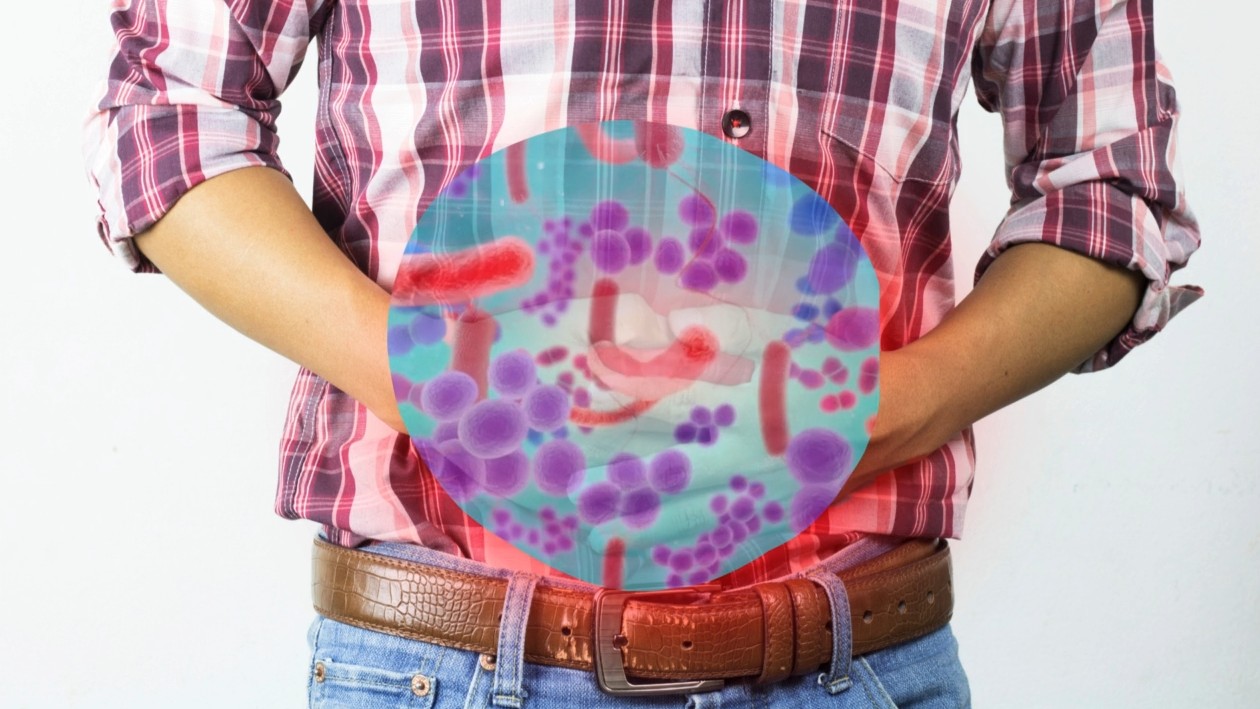
Pseudomonas is particularly stubborn due to three main factors:
This combination makes Pseudomonas one of the most persistent causes of digestive symptoms.
Successfully addressing Pseudomonas usually requires:
Because Pseudomonas is resistant and complex, one-size-fits-all treatments rarely work. Individualized care is key.
Pseudomonas overgrowth may not be the most common gut infection, but when it occurs, it is one of the most persistent and difficult to resolve.
If you’ve been struggling with chronic digestive symptoms despite multiple treatments, Pseudomonas may be the hidden culprit.
At the IBS Treatment Center, we test for Pseudomonas along with over one hundred other organisms. Many patients who spent years treating Candida or SIBO finally discovered Pseudomonas was the true problem. Once properly diagnosed and treated, their digestive health improved.
If you’ve been frustrated by ongoing bloating, diarrhea, abdominal pain, or food sensitivities, don’t give up. The answer may be deeper than you realize—and Pseudomonas might just be the missing piece.
For support, contact us at the IBS Treatment Center. We’ve been working with patients around the world via telemedicine for over 20 years, and we’d be happy to help you too.
Remember to take good care of your body. It’s the only place that you have to live.
10 Surprising Symptoms of Low Stomach Acid (Hypochlorhydria) You Shouldn’t Ignore
Seattle: 206-264-1111
Los Angeles: 310-319-1500
Our WhatsApp: 206-791-2660
Copyright © 2026 IBS TREATMENT CENTER. All Rights Reserved
Managed by: ZevePH
Lorem ipsum dolor sit amet, consectetur adipiscing elit. Suspendisse varius enim in eros elementum tristique. Duis cursus, mi quis viverra ornare, eros dolor interdum nulla, ut commodo diam libero vitae erat. Aenean faucibus nibh et justo cursus id rutrum lorem imperdiet. Nunc ut sem vitae risus tristique posuere.