
Lymphocytic Colitis: What It Is and What Your Diagnosis Really Means
Lymphocytic colitis is a type of inflammation in the colon with a range of possible causes. In this post, I will explain how it is diagnosed, what can trigger it, and why many people feel they still do not have clear answers after seeing a gastroenterologist.
What Is Lymphocytic Colitis?
Lymphocytic colitis is diagnosed through a colonoscopy with biopsy. Here is how it works:
- A colonoscopy is performed
- Tissue samples (biopsies) are taken from the colon
- The samples are examined under a microscope in a lab
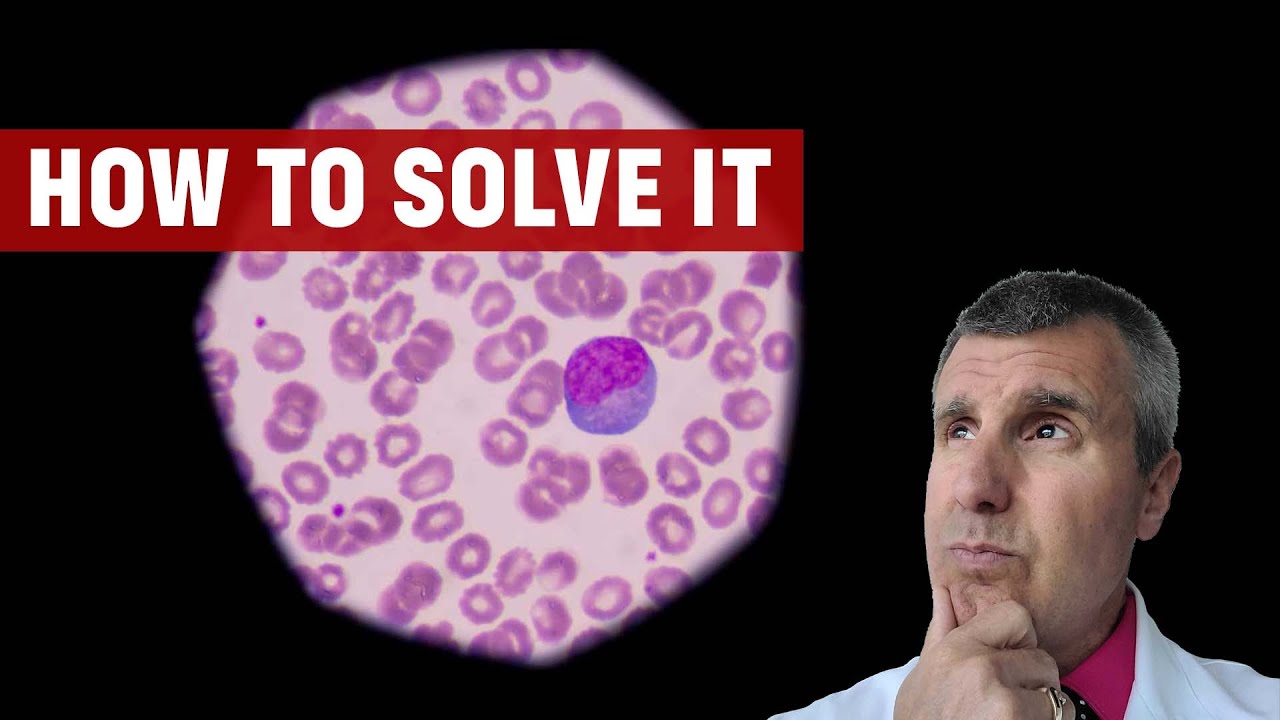
- Increased lymphocytes (a type of white blood cell) are found in the tissue
These lymphocytes are what define the diagnosis. While inflammation may or may not be visible during the procedure itself, the specific diagnosis is confirmed microscopically.
What Does the Diagnosis Actually Mean?
A diagnosis of lymphocytic colitis means your immune system is active in the colon, white blood cells are present in higher amounts than expected, and there is an inflammatory response occurring in the intestinal lining.
What the diagnosis does not tell you is why the immune system is reacting, what triggered the inflammation, or what needs to be done to fully resolve it. For many people, this is where the explanation stops.
Why Many People Still Don't Feel Better
After diagnosis, common approaches may include anti-inflammatory medications, symptom management, and follow-up observation. These approaches may reduce inflammation, but they do not always explain the underlying trigger.
As a result, some people continue to experience recurring symptoms, uncertainty about the root cause, and a lack of long-term resolution.
What Actually Triggers Lymphocytic Colitis?
Lymphocytic colitis is not caused by a single factor. Instead, it can be triggered by multiple influences that activate the immune system in the colon. These triggers are not always visible on colonoscopy or standard biopsy beyond confirming inflammation.

Because of this, there is no single universal cause, no one standardized treatment that fits everyone, and each case may have different contributing factors.
Why Treatment Often Feels Incomplete
In many cases, treatment focuses on calming inflammation rather than identifying what initiated it in the first place. This can result in temporary improvement, symptoms returning after treatment changes, and ongoing frustration despite a confirmed diagnosis.
The Importance of Looking Deeper Than the Label
Different people can have the same diagnosis for completely different underlying reasons. Identifying the trigger is key to long-term resolution, and treatment strategies may need to go beyond symptom suppression.
Final Thought
Lymphocytic colitis is a real and identifiable condition, but the diagnosis is often only the beginning of understanding what is going on. For many people, the next step is figuring out what is driving the immune response in the first place, so that care can move beyond symptom management alone.
Still Not Getting Real Answers?
If your symptoms keep coming back, it usually means the root cause was never found. That is exactly what we do. Choose where you want to start:
Book Your Free Discovery Call
Talk to our team about your case. We will tell you honestly whether we can help, with zero pressure.
Book My Free CallDownload the Free Ebook
How to Beat IBS & Never Worry About Digestive Problems Again. Learn the root cause approach first.
Get the Free Ebook
Lorem ipsum dolor sit amet, consectetur adipiscing elit. Suspendisse varius enim in eros elementum tristique. Duis cursus, mi quis viverra ornare, eros dolor interdum nulla, ut commodo diam libero vitae erat. Aenean faucibus nibh et justo cursus id rutrum lorem imperdiet. Nunc ut sem vitae risus tristique posuere.